Image
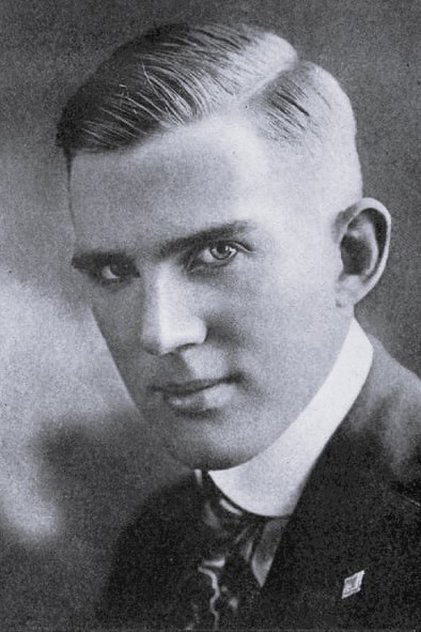
Frank D. Williams
Né·e le 20 mars 1893 à Nashville, Missouri, USA
Mort·e le 16 octobre 1961 à 68 ans
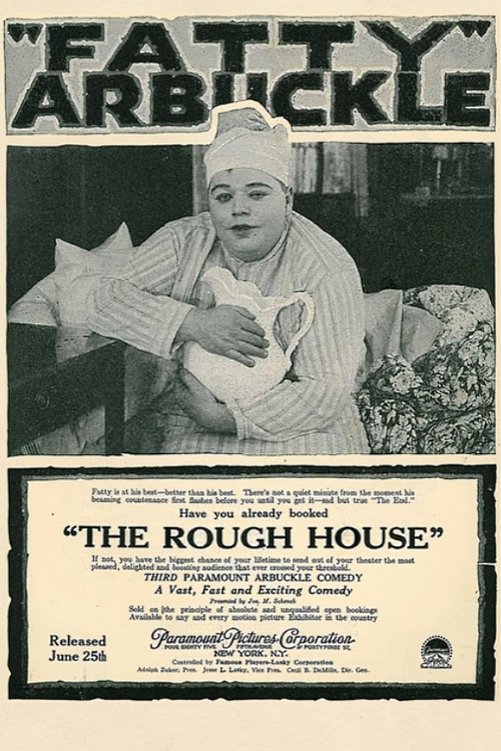
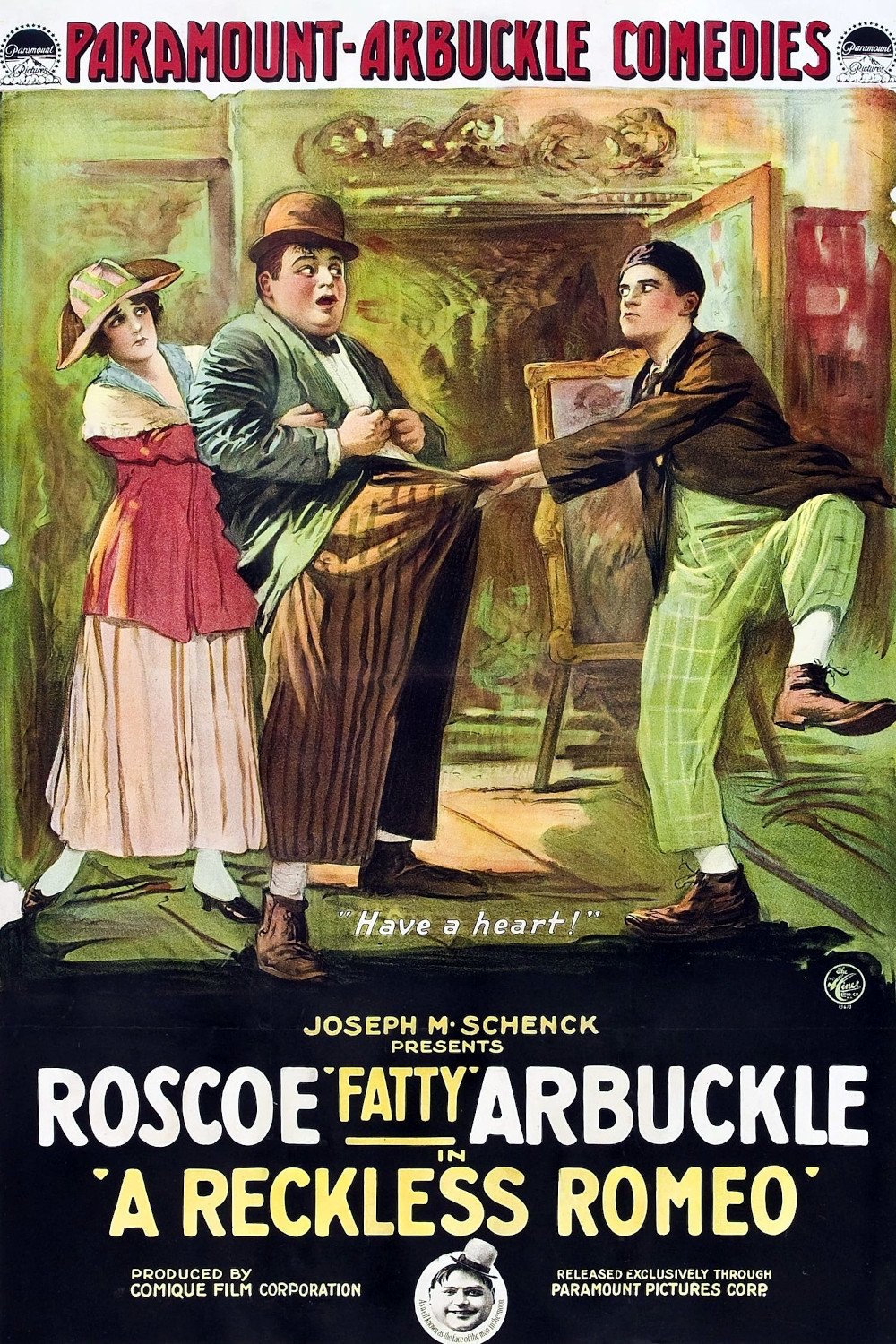
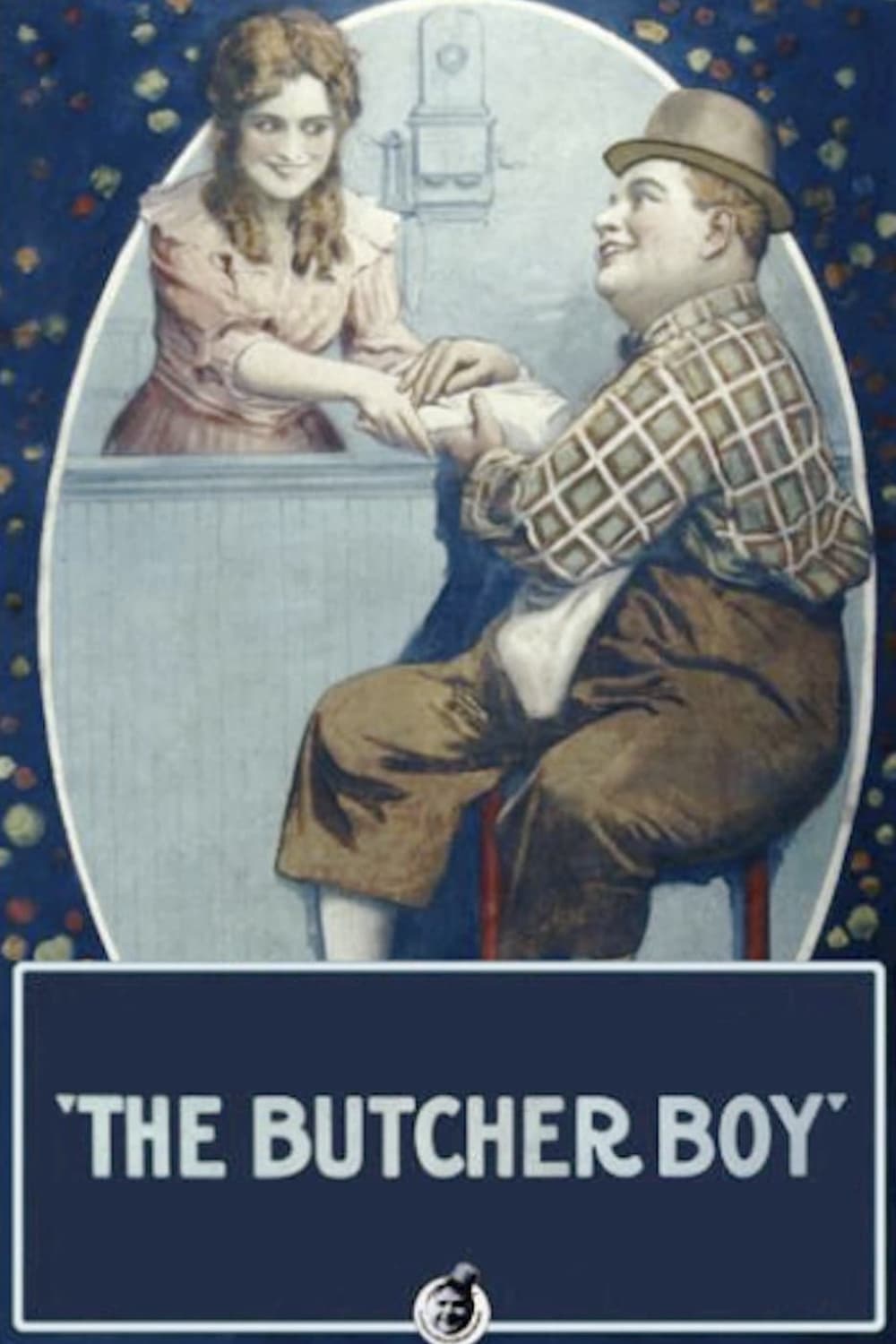
Frank D. Williams (March 21, 1893 – October 15, 1961) was a pioneering cinematographer who was active in the early days of the motion picture industry. He developed and patented the traveling matte shot. Frank D. Williams was born March 21, 1893, as Frank Douglas Williams, to James and Lucinda Williams in the small community of Nashville, Missouri. In 1912, Williams became a cameraman at Keystone Studios. There, in 1914, he was the photographer for many of Charlie Chaplin's first-year pictures, including Kid Auto Races at Venice which was the first film released in which The Tramp appeared. Williams is credited as appearing in Kid Auto Races at Venice, playing a cameraman, but his appearance is in doubt. For a time he was chief cinematographer at Keystone, and a large number of the studio's 1914 films are credited to him as photographer. He defected to work for the short-lived Sterling Motion Pictures, but returned to Keystone when Sterling closed in 1915. He also worked a camera for Henry Lehrman's L-Ko Kompany, Reliance-Majestic Studios, and Bluebird Photoplays. When Roscoe Arbuckle formed a new motion picture company, Comique, in 1917, he hired Williams to be his cameraman. At Comique, Williams also shot Buster Keaton's first film appearance, The Butcher Boy (1917). His tenure there was also short; he shot three films for Arbuckle (Butcher Boy, A Reckless Romeo, and The Rough House) before departing to start his own lab. His business did not get off the ground quickly, and he supplemented his income by continuing to work as a cameraman. He was director of photography at Sessue Hayakawa's Haworth Pictures Corporation and is credited with 15 pictures that came out of that studio between 1919 and 1921. While he was working as a cameraman at various studios, Williams worked on his idea for a traveling matte in which the actions of actors would be combined with a filmed moving background. Available technology prevented him from achieving the effect he envisioned until he built a printer himself to his own specification. He filed for a patent in May 1916, and it was granted in July 1918. The process was first used in a motion picture in 1922's Wild Honey. From Wikipedia, the free encyclopedia
Connu·e pour
Filmographie
Interprétation2 titres
Réalisation et équipe52 titres
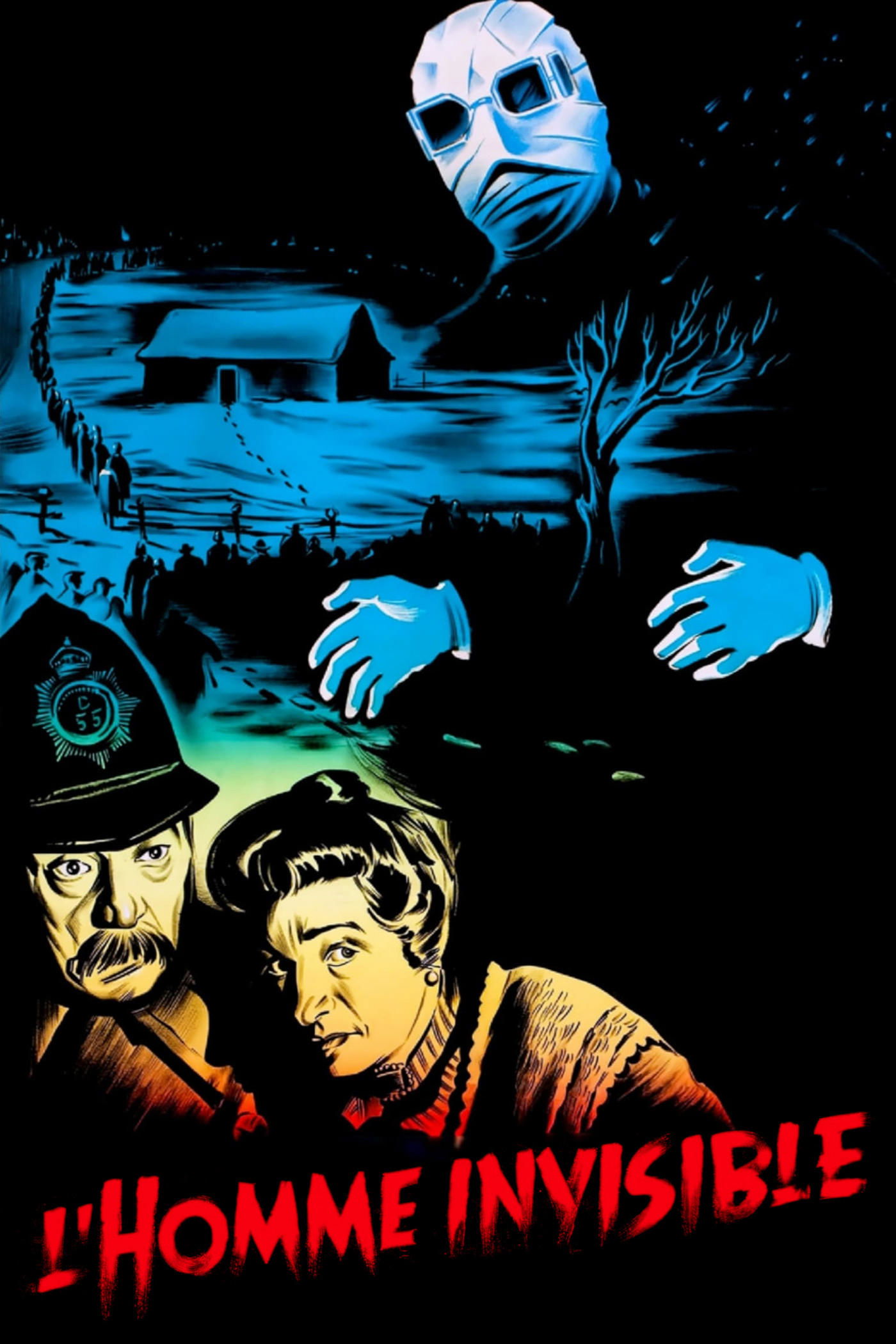
- 1933L'Homme invisibleVisual Effects Supervisor
- 1927L'AuroreSpecial Effects

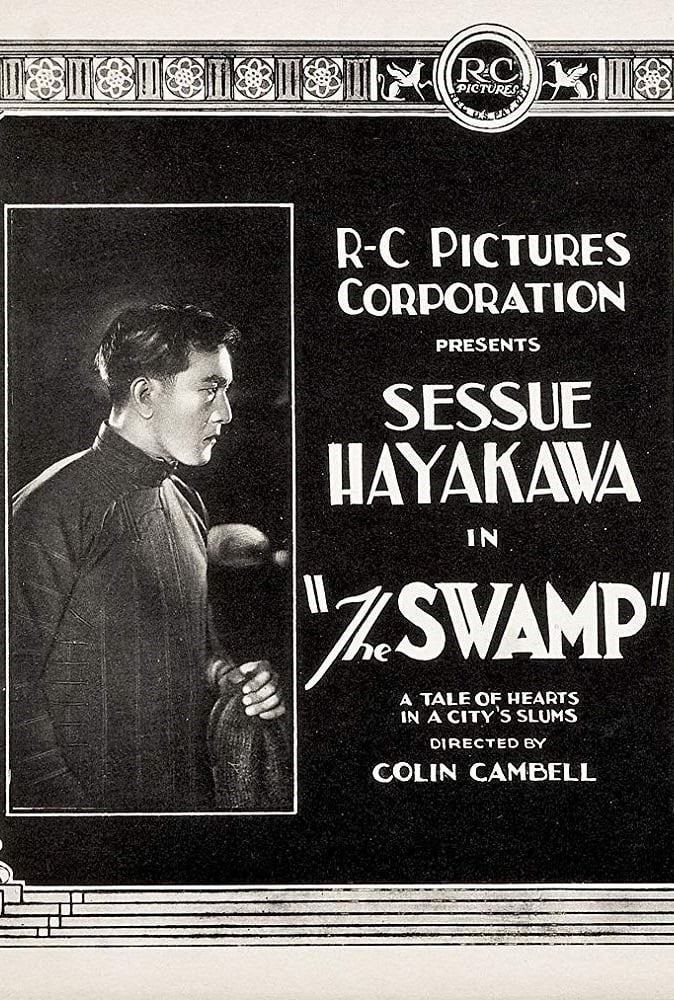
- 1921The SwampDirector of Photography
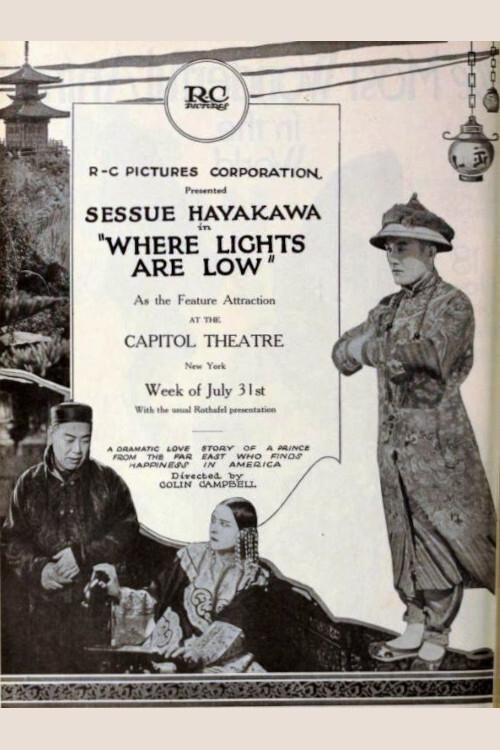
- 1921Where Lights Are LowDirector of Photography
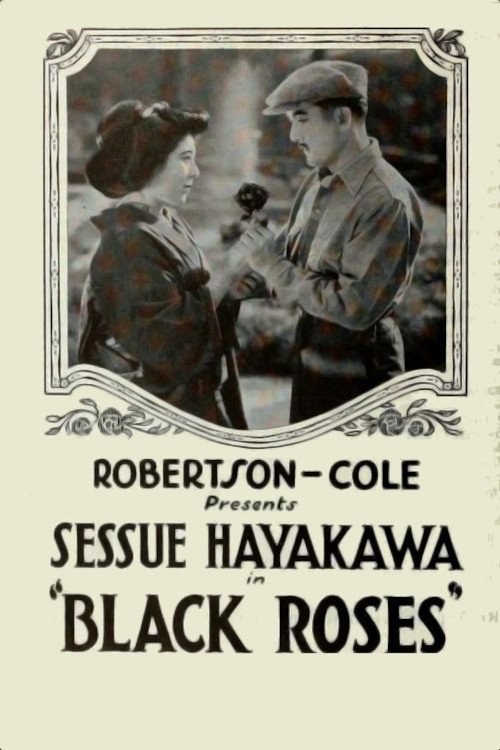
- 1921Black RosesDirector of Photography
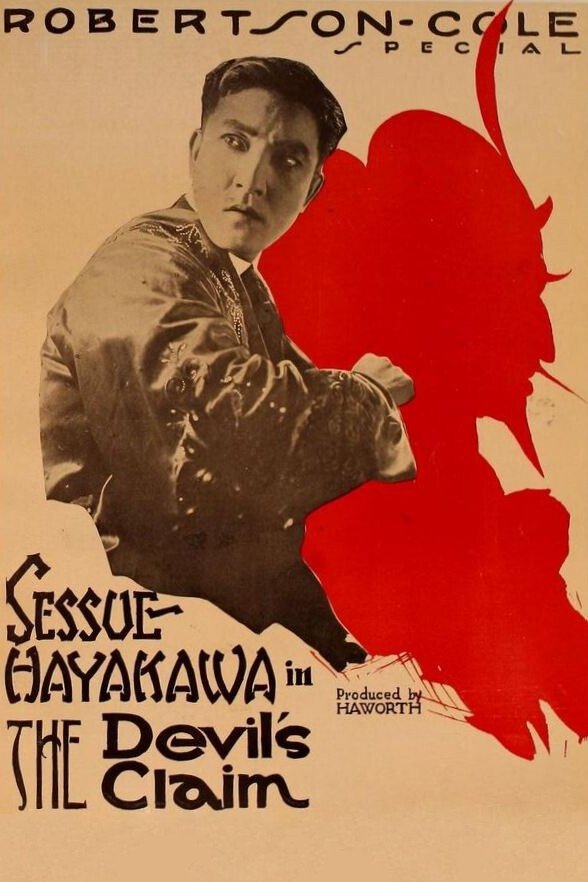
- 1920The Devil's ClaimDirector of Photography
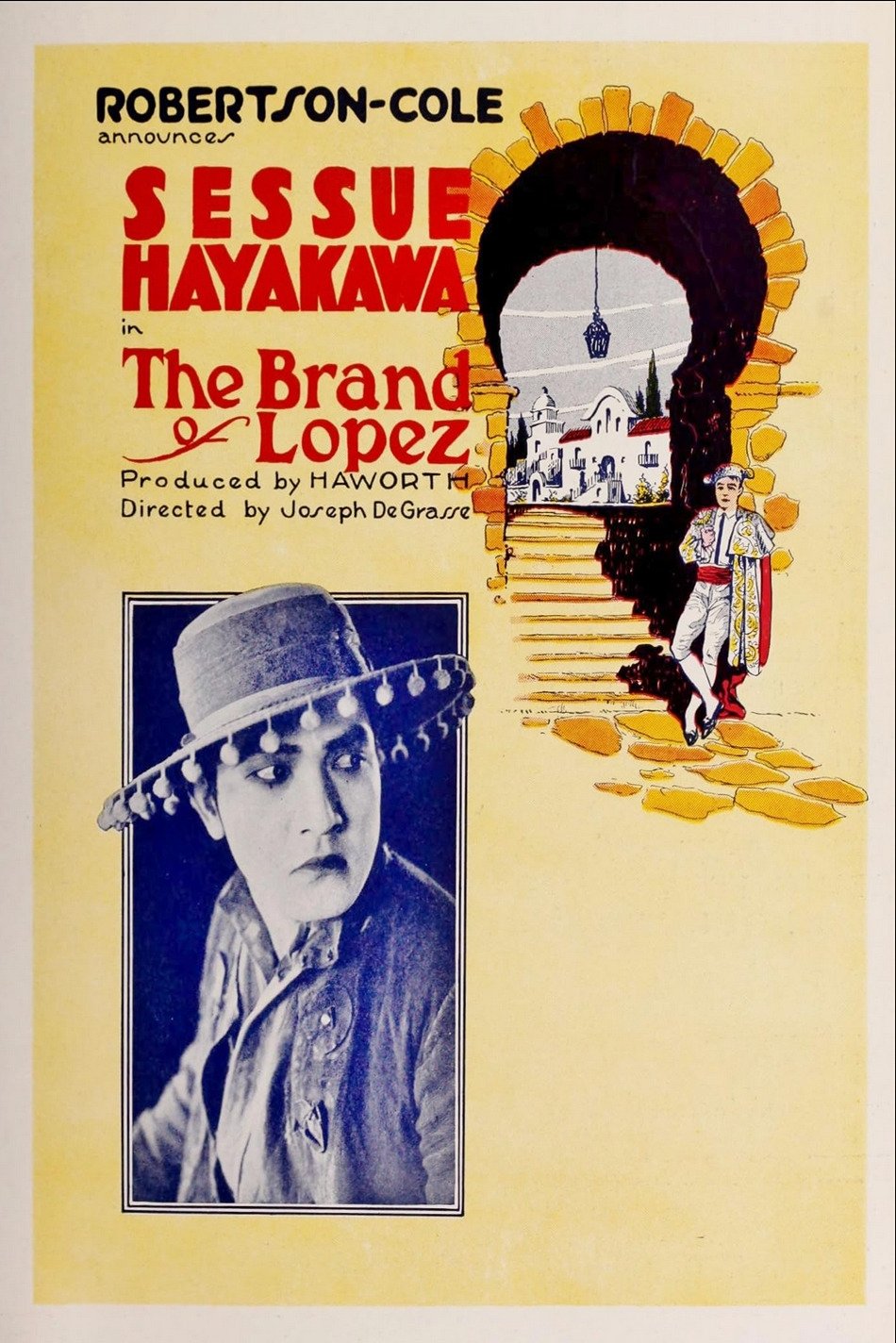
- 1920The Brand of LopezCinematography
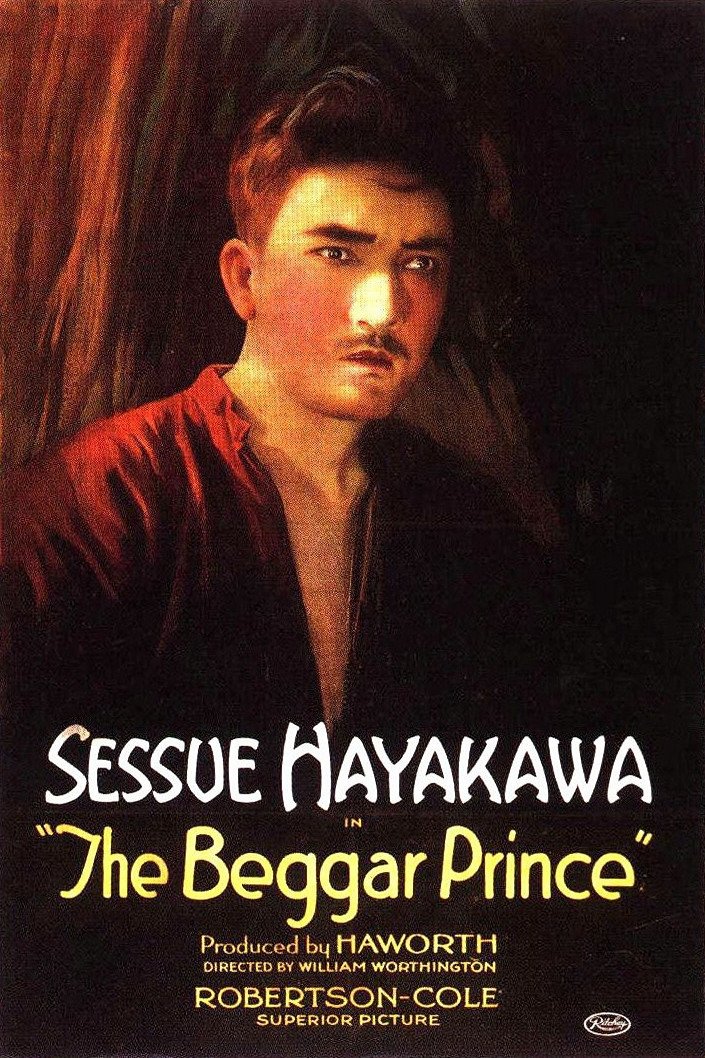
- 1920The Beggar PrinceCinematography
- 1919The Tong ManDirector of Photography

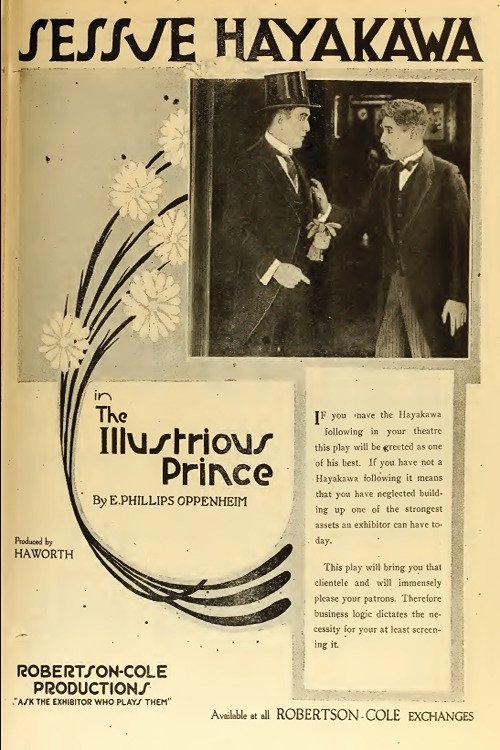
- 1919The Illustrious PrinceCinematography
- 1919AbnégationDirector of Photography
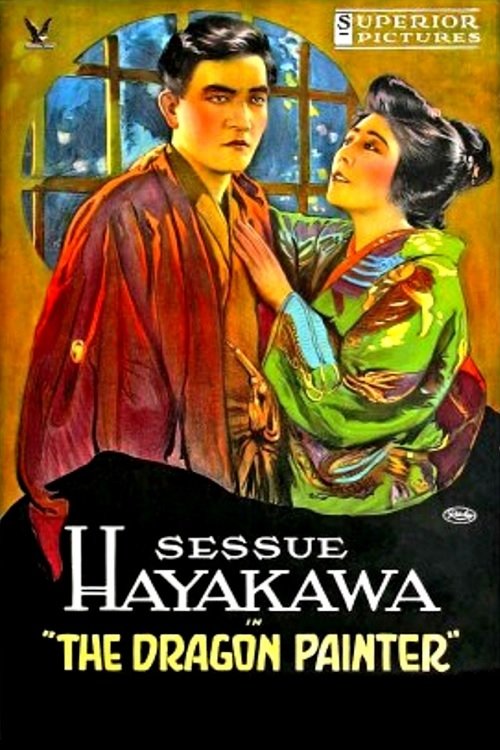
- 1919The Man BeneathDirector of Photography

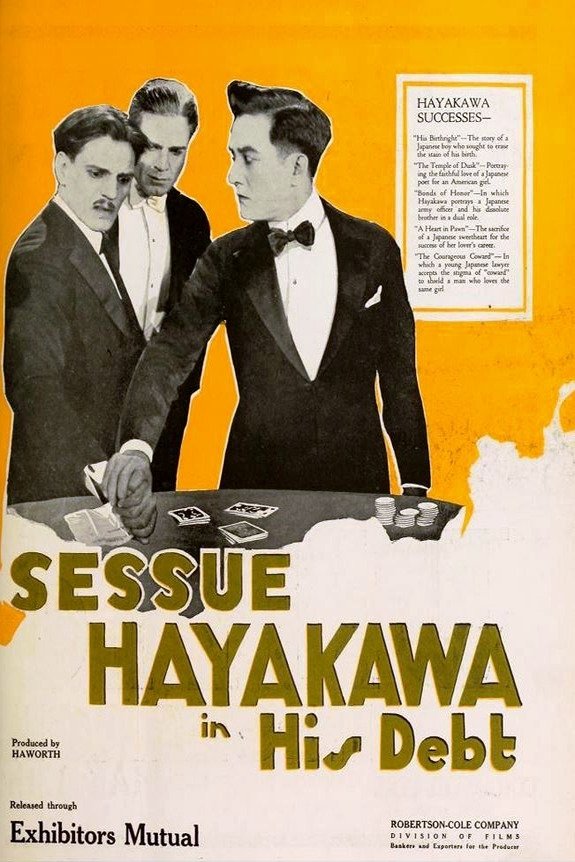
- 1919His DebtCinematography
- 1918Secret StringsCinematography

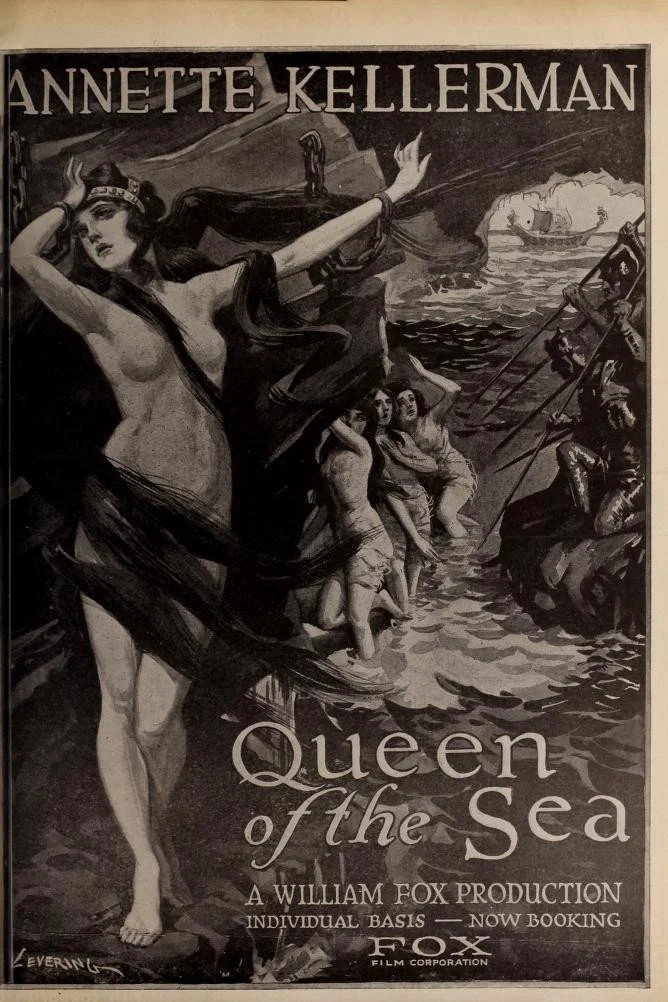
- 1918Queen of the SeaDirector of Photography
- 1917Fatty chez luiDirector of Photography
- 1917A Reckless RomeoDirector of Photography
- 1917Fatty boucherDirector of Photography
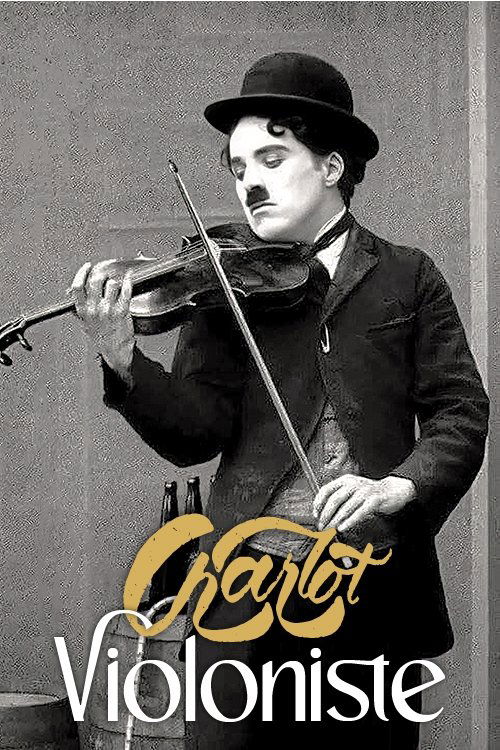
- 1916Charlot violonisteDirector of Photography
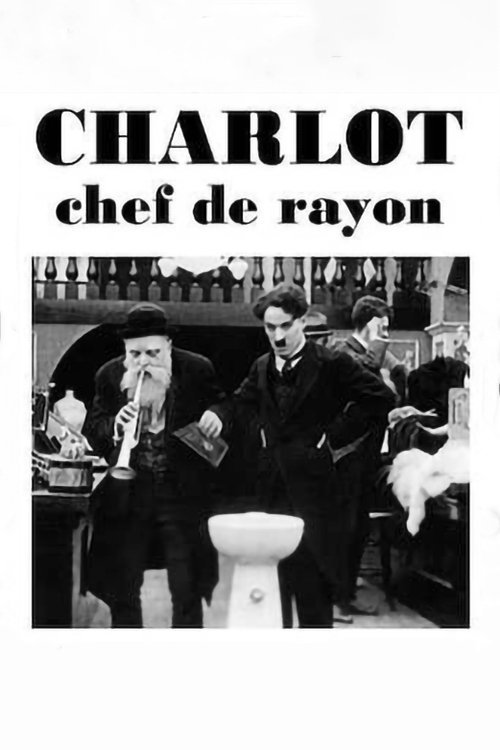
- 1916Charlot chef de rayonDirector of Photography
- 1916Hop - The Devil's BrewDirector of Photography
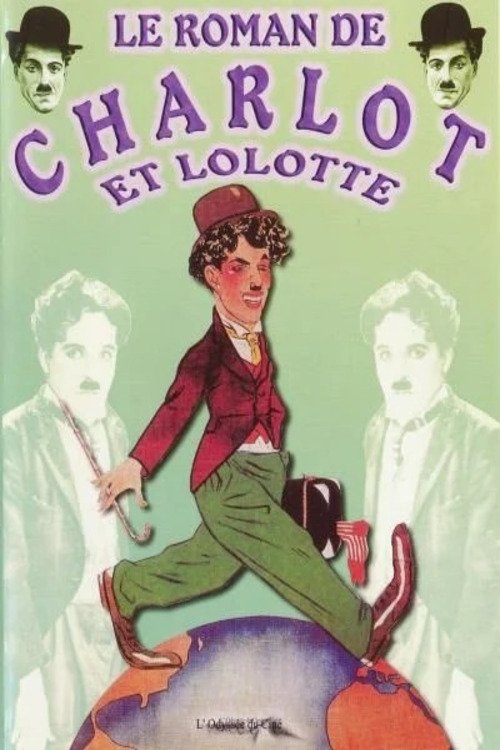
- 1914Le Roman comique de Charlot et LolotteDirector of Photography
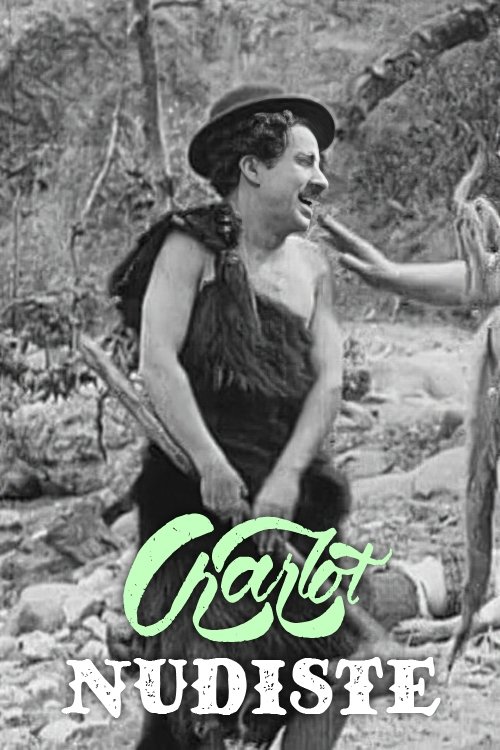
- 1914Charlot nudisteDirector of Photography
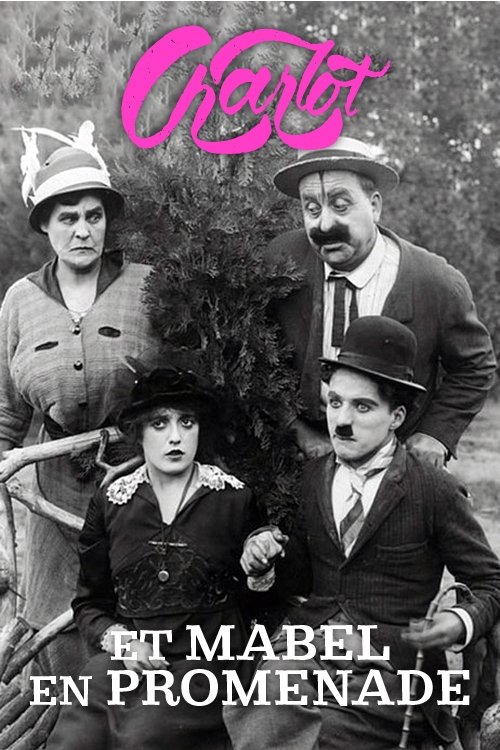
- 1914Charlot et Mabel en promenadeDirector of Photography
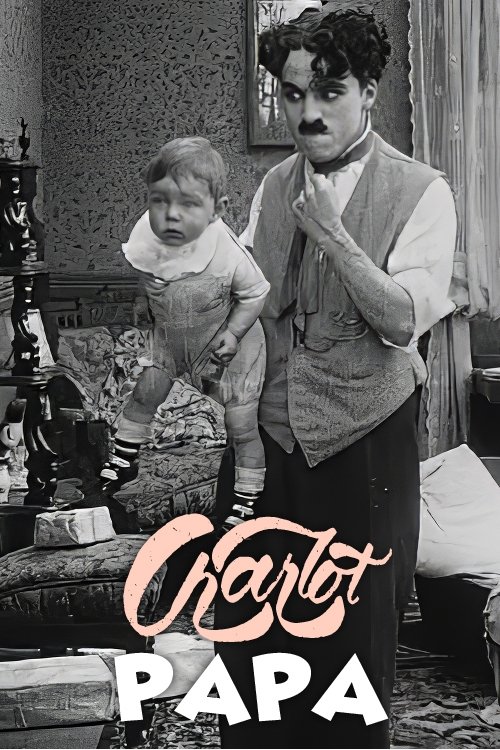
- 1914Charlot papaCinematography
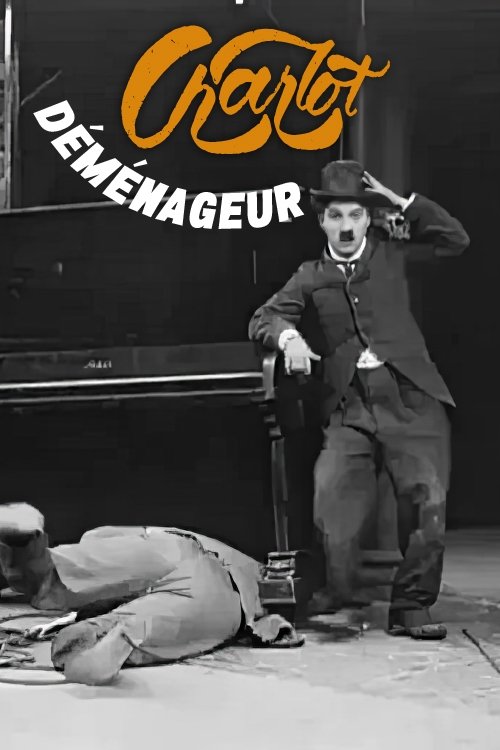
- 1914Charlot déménageurCinematography
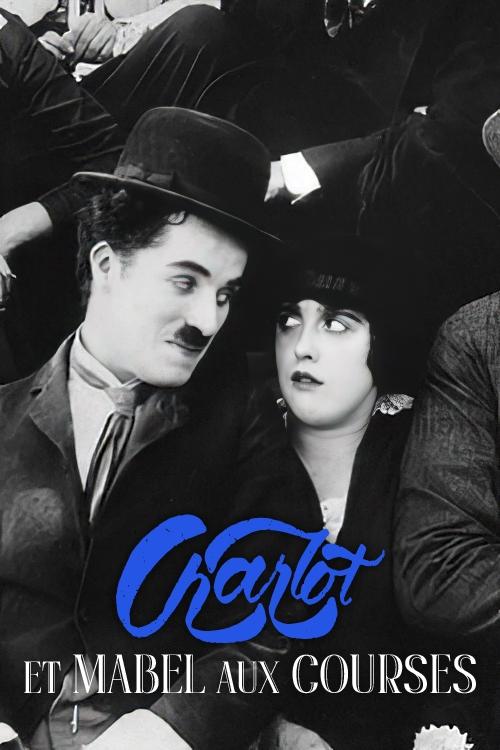
- 1914Charlot et Mabel aux coursesCinematography
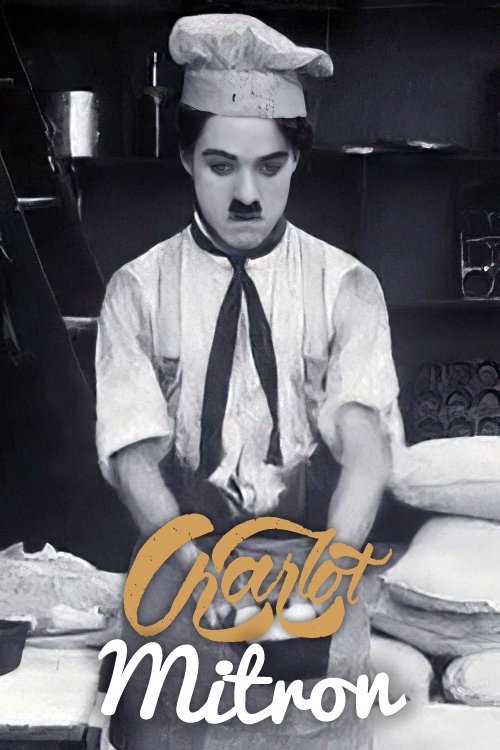
- 1914Charlot mitronCinematography
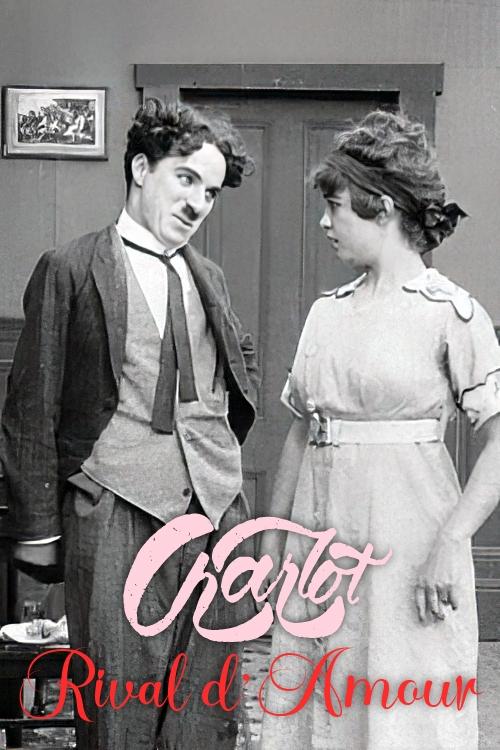
- 1914Charlot rival d'amourCinematography
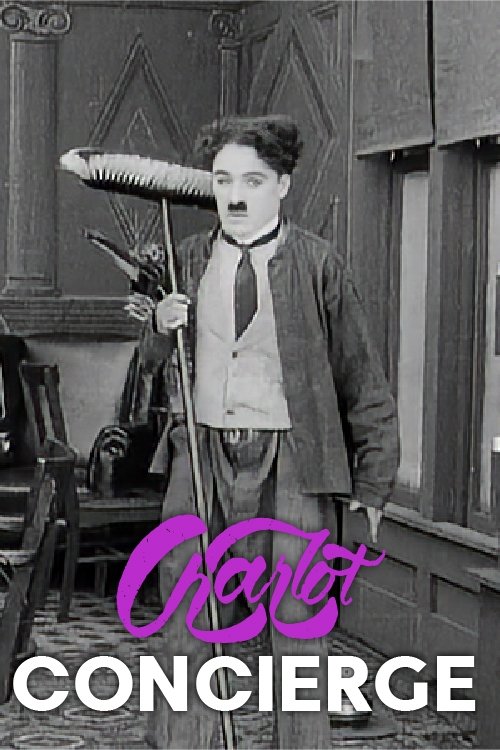
- 1914Charlot conciergeCinematography
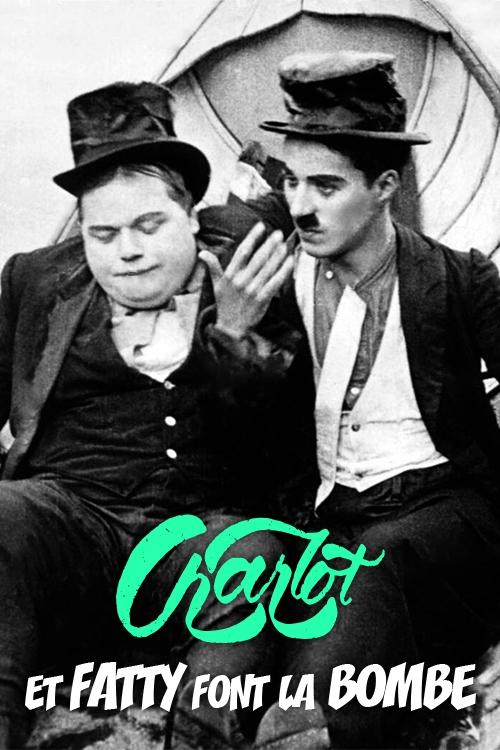
- 1914Charlot et Fatty font la bombeDirector of Photography
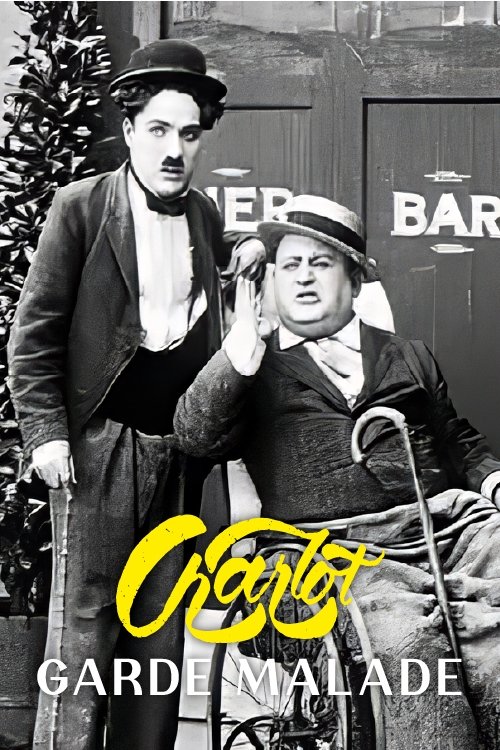
- 1914Charlot garde-maladeDirector of Photography
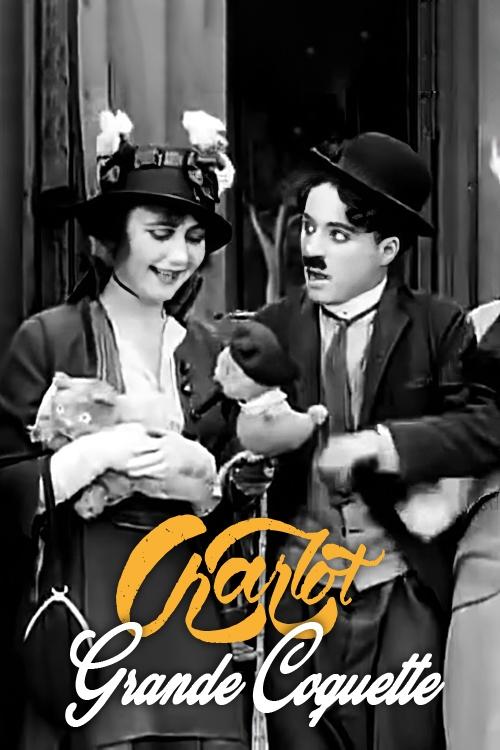
- 1914Charlot grande coquetteCinematography
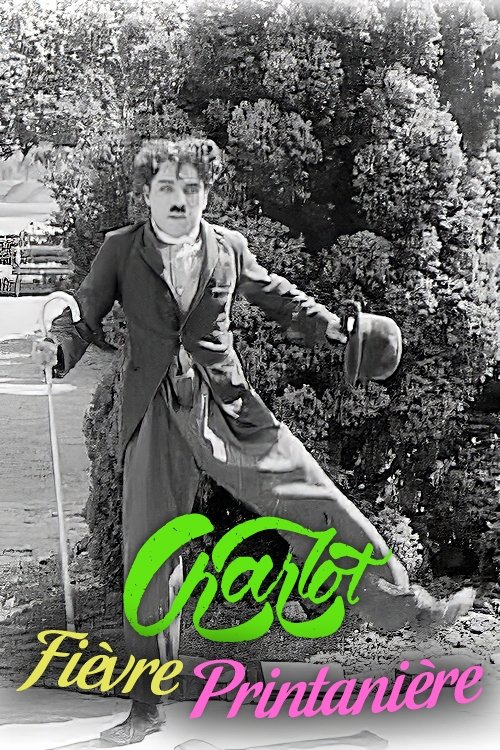
- 1914Fièvre printanièreDirector of Photography
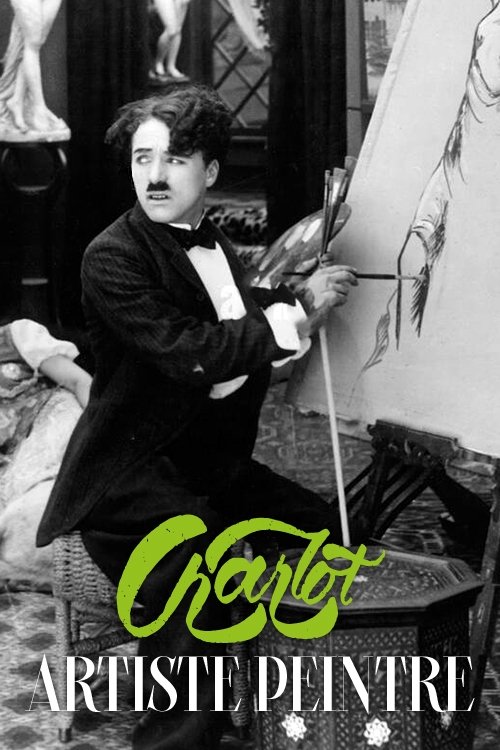
- 1914Charlot artiste peintreCinematography
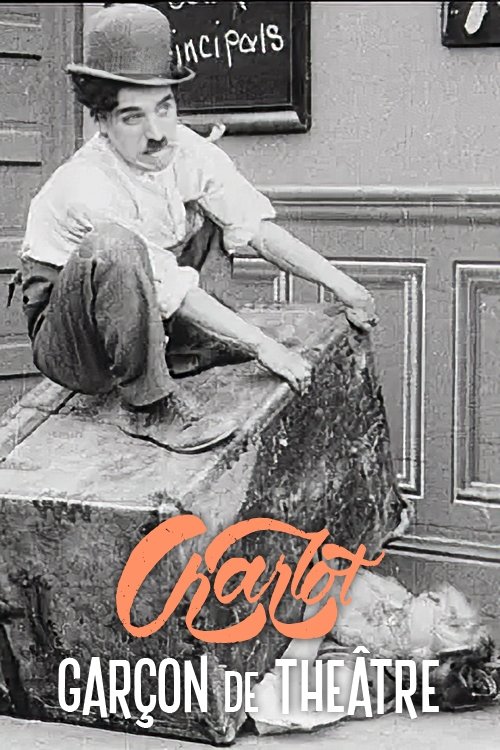
- 1914Charlot garçon de théâtreDirector of Photography
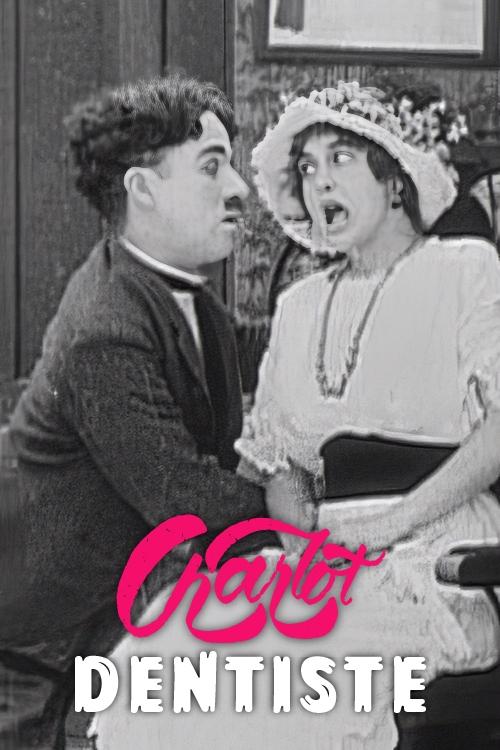
- 1914Charlot dentisteCinematography
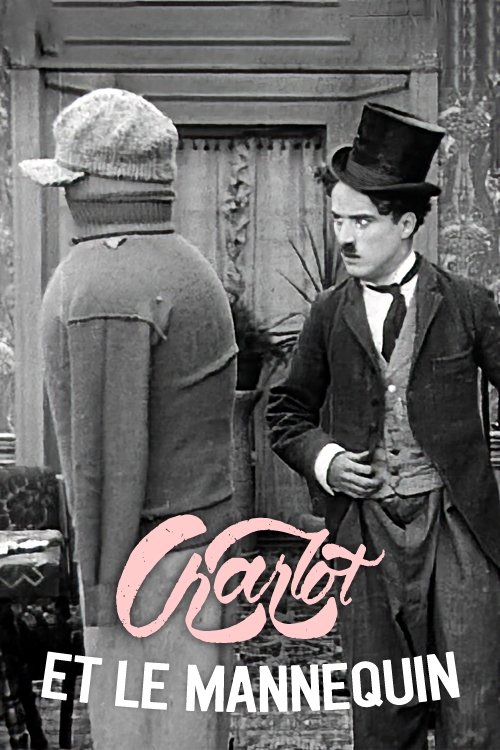
- 1914Charlot et le MannequinDirector of Photography
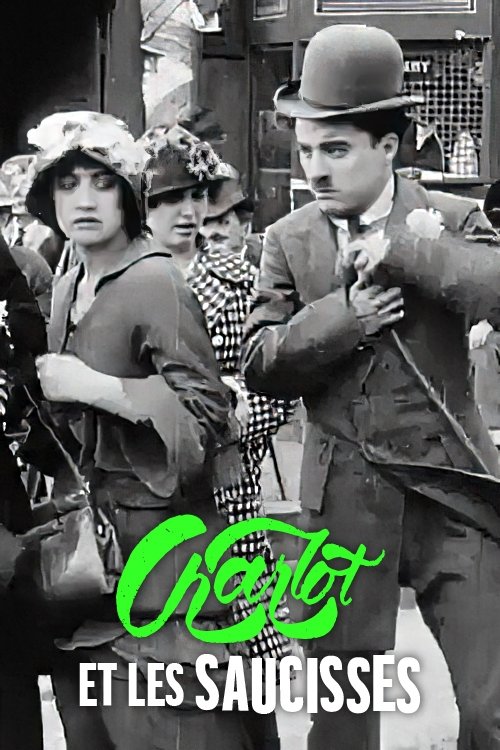
- 1914Charlot et les SaucissesCinematography
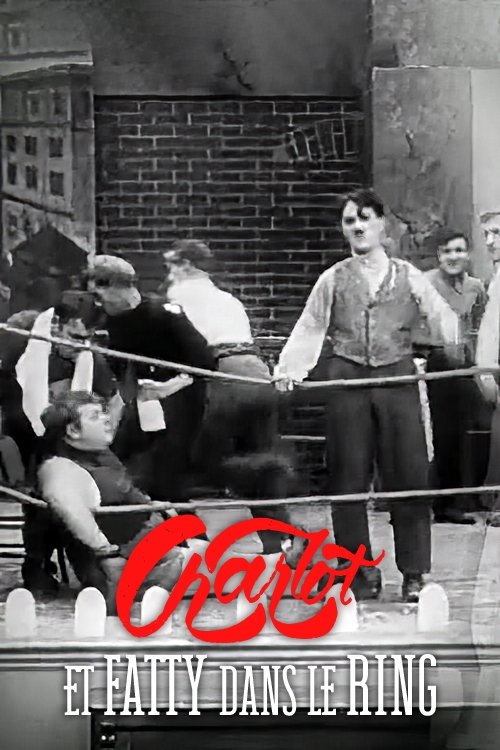
- 1914Charlot et Fatty dans le ringDirector of Photography
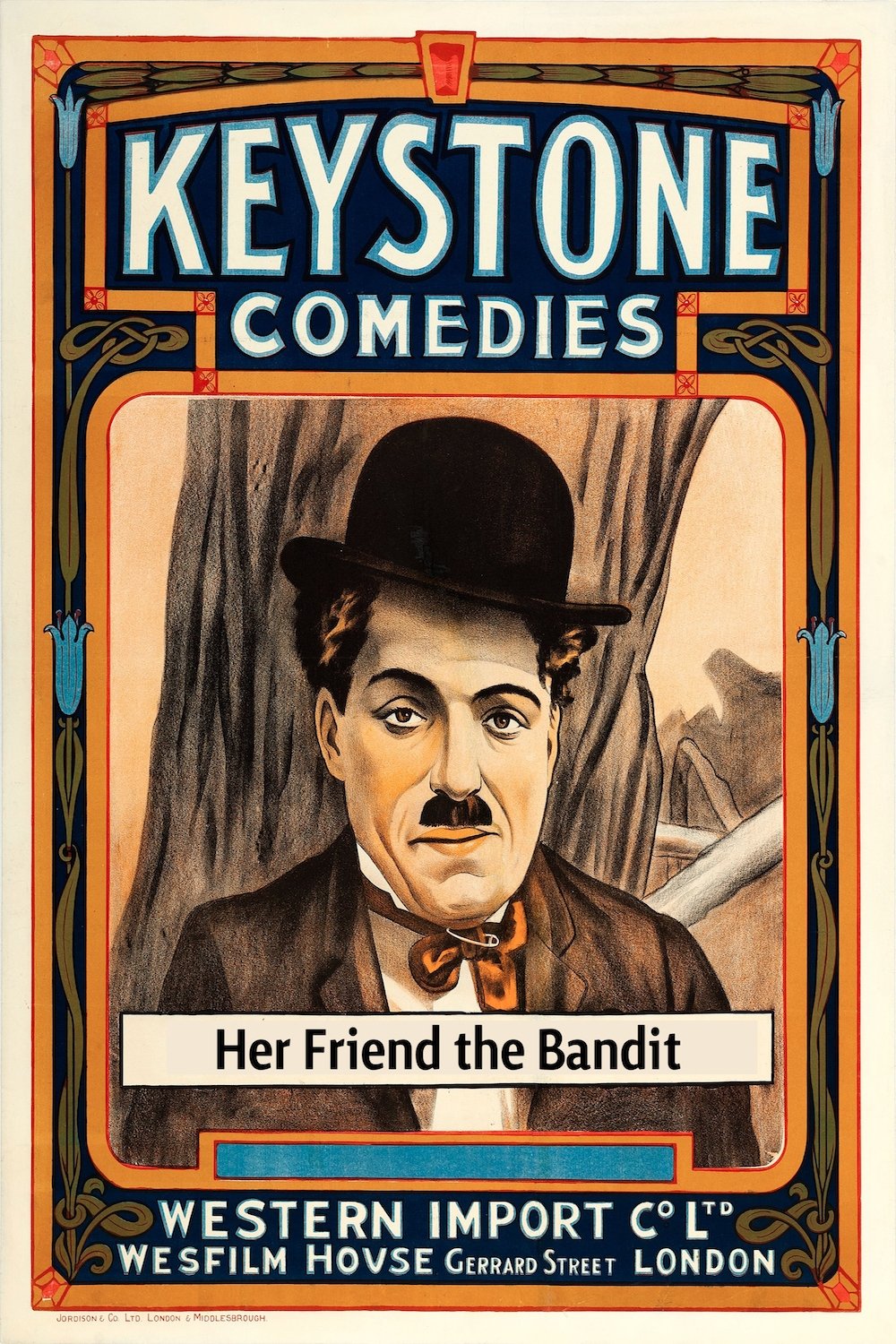
- 1914Le Flirt de MabelCinematography
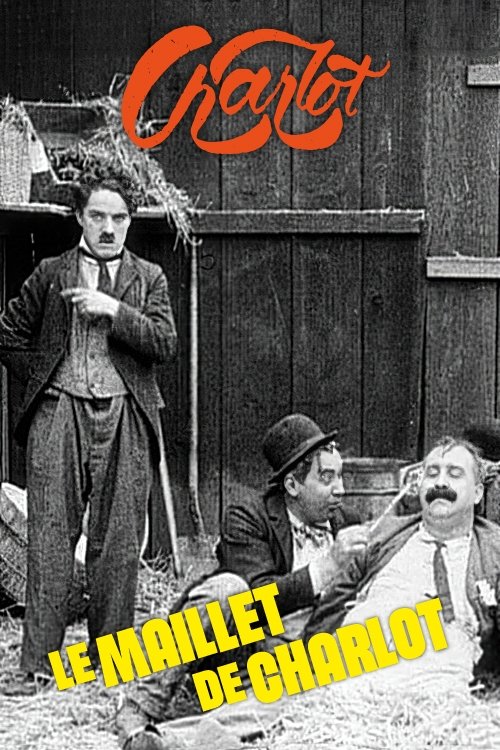
- 1914Le Maillet de CharlotCinematography
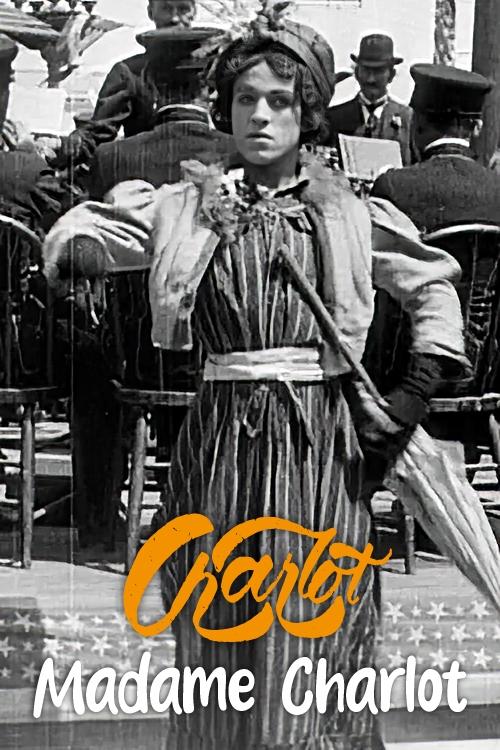
- 1914Madame CharlotDirector of Photography
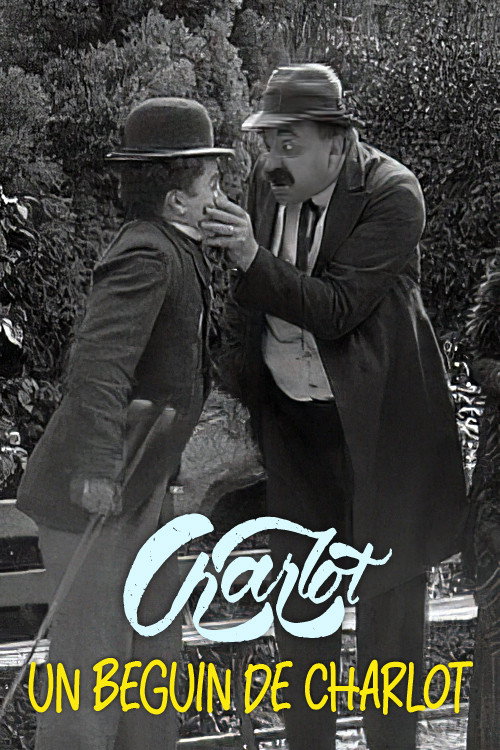
- 1914Un béguin de CharlotCinematography
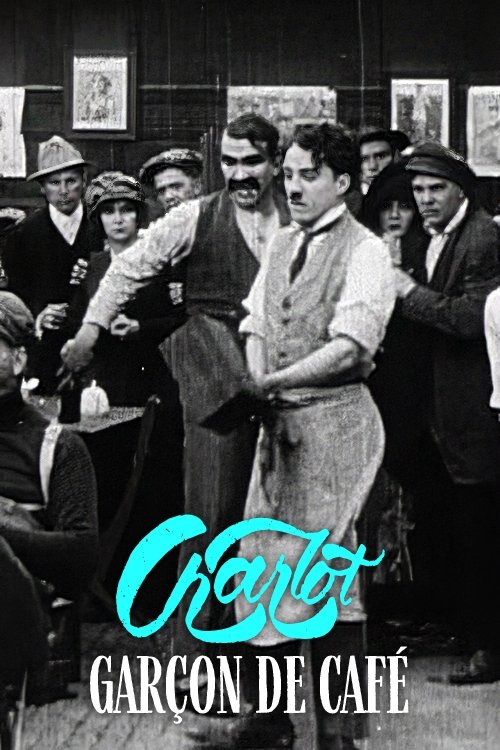
- 1914Charlot garçon de caféDirector of Photography
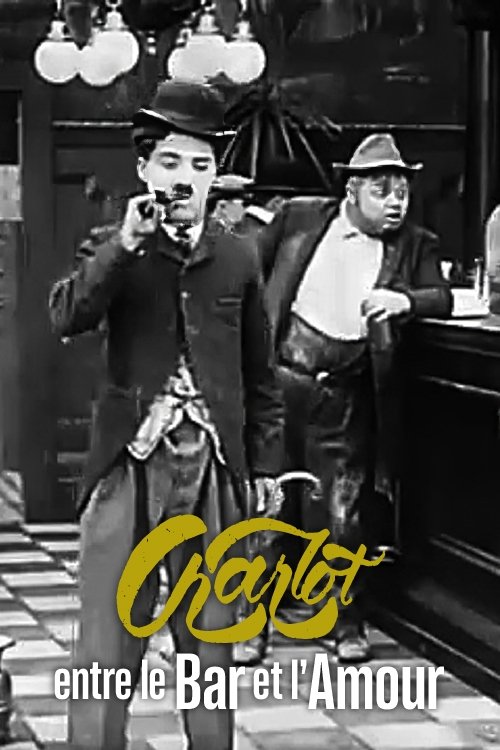
- 1914Charlot entre le bar et l'amourDirector of Photography
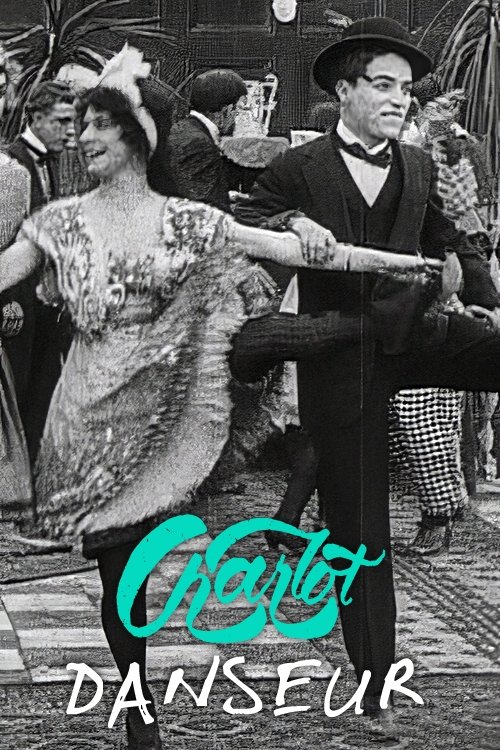
- 1914Charlot danseurDirector of Photography
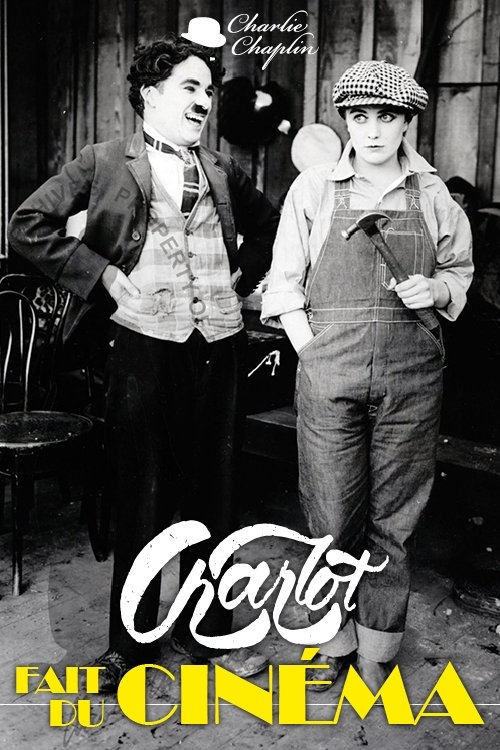
- 1914Charlot fait du cinémaDirector of Photography
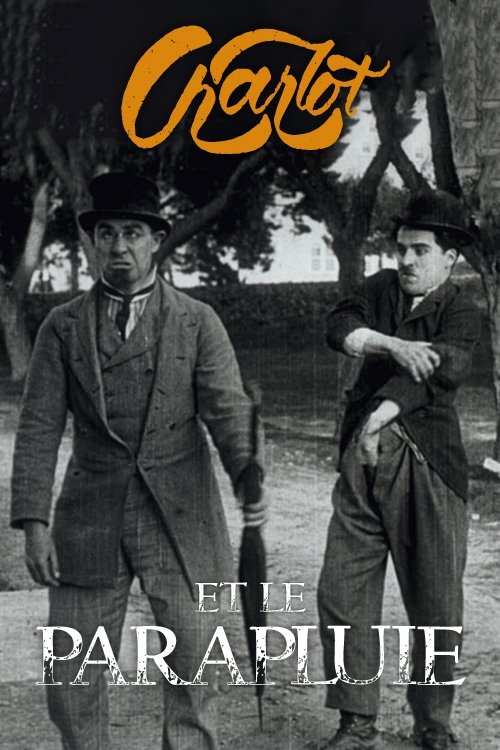
- 1914Charlot et le parapluieDirector of Photography
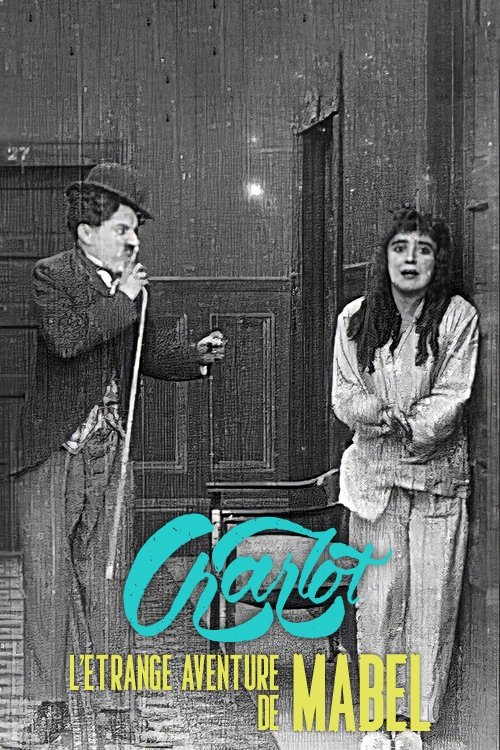
- 1914L'Étrange aventure de MabelDirector of Photography
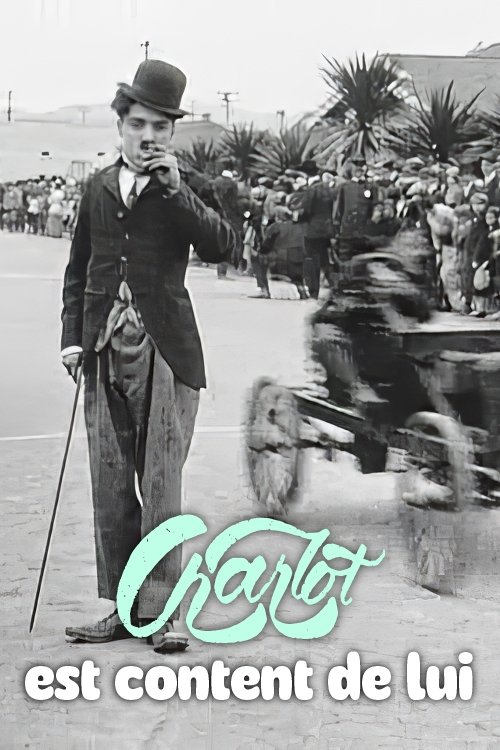
- 1914Charlot est content de luiDirector of Photography
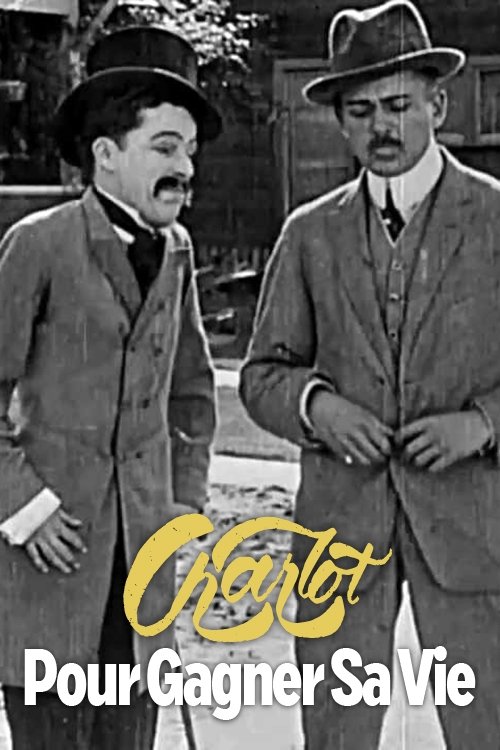
- 1914Pour gagner sa vieDirector of Photography